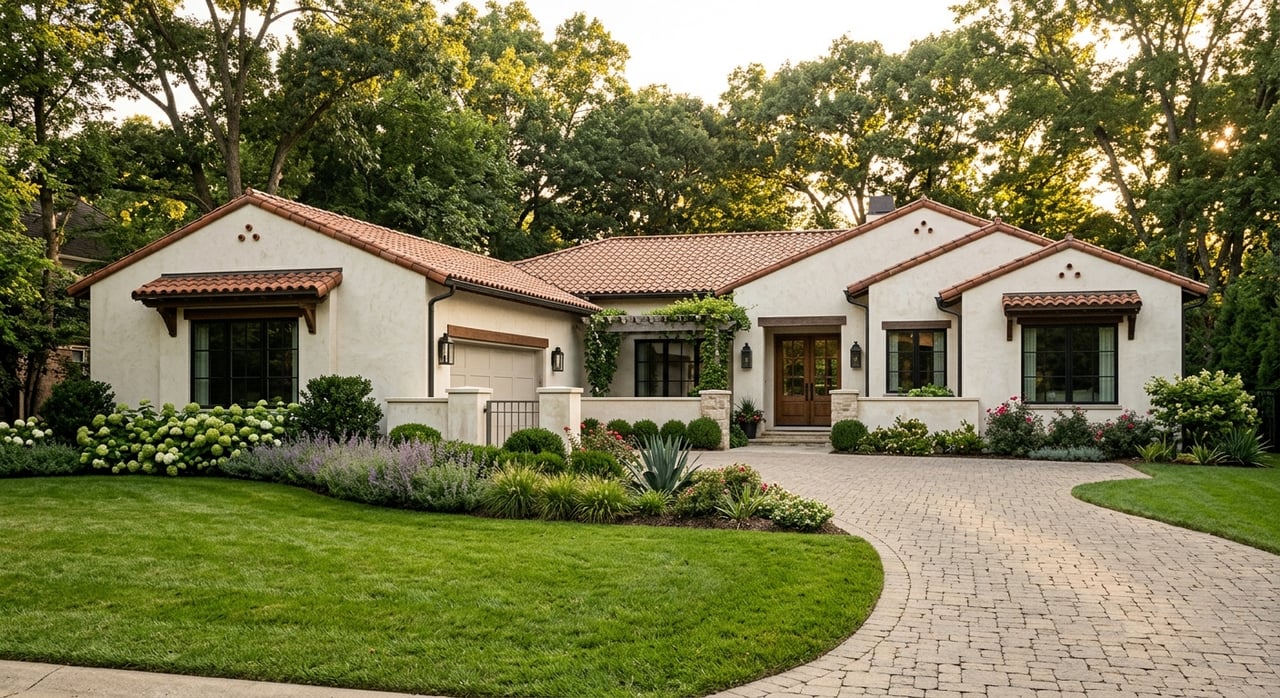
If you feel priced out of the Peninsula but still want a home with room to breathe, Gilroy may be worth a closer look. Many buyers are trying to balance budget, space, and daily lifestyle without giving up access to the broader Silicon Valley job market. The good news is that Gilroy offers a different kind of value, with lower price points than several core Peninsula cities, more single-family housing, and a more open feel. Let’s take a practical look at what you can expect.
Why Gilroy draws space-focused buyers
Gilroy sits about 25 miles south of San Jose and serves as the southern gateway to Silicon Valley. The city had an estimated population of 60,764 in 2025, which gives it a solid community base without the intensity of denser Peninsula markets.
For many buyers, the biggest appeal is simple: more home and more lot for the money. Current market snapshots place Gilroy’s median sale price around $1.10M to $1.14M, while Menlo Park, Palo Alto, and Redwood City are materially higher at roughly $2.72M, $3.33M, and $1.91M.
Census QuickFacts also shows Gilroy’s median owner-occupied housing value at $1.03M, compared with Santa Clara County’s $1.49M. That gap helps explain why buyers who have been stretching in closer-in markets often start exploring Gilroy.
What kind of space you can expect
Gilroy’s housing mix is one of its strongest selling points for buyers who want more outdoor space. According to the city’s 2040 General Plan, low-density residential is the most common residential land use, and it is generally made up of single-family detached homes on 5,000 to 7,000 square foot lots.
That baseline alone can feel appealing if you have been touring tighter lots in more expensive Silicon Valley locations. In some newer projects, lot sizes can run even larger. A city-approved West 6th Street project includes 19 single-family lots ranging from 6,670 to 8,598 square feet.
At the same time, Gilroy is not one-size-fits-all. Listing examples show everything from a West Side home on a 3,447 square foot lot to a rural Westside property on 2.87 acres near Gilroy Gardens and the outlets.
That means your experience will depend a lot on the part of Gilroy you target. If your top priority is yard space, privacy, or room for outdoor living, it helps to be specific about the type of setting you want before you start touring homes.
Home styles and neighborhood feel
Gilroy offers a wider range of settings than many buyers first expect. In lower-density areas, you will often find traditional single-family neighborhoods with detached homes and more standard suburban lot sizes.
The city also has medium-density areas intended for townhomes, condos, and apartment buildings. If you want a lower-maintenance lifestyle, that can create options beyond larger detached homes.
There are also hillside and rural designations that preserve a more rural setting and larger parcels. For buyers looking beyond the classic suburban pattern, that can be an important part of Gilroy’s appeal.
How Gilroy compares on value
Value is not just about the sticker price. It is about what your budget can buy in terms of house size, lot size, and day-to-day livability.
Compared with core Peninsula cities, Gilroy often gives buyers an entry point into homeownership or move-up ownership with less financial strain. While every home and every micro-market is different, the pricing gap between Gilroy and places like Palo Alto or Menlo Park is significant.
That does not mean Gilroy is inexpensive by national standards. It does mean buyers who are flexible on commute and location may be able to trade distance for space, which can be a smart move depending on your priorities.
What the current market looks like
Gilroy remains an active market, so more value does not always mean slow or easy. Current market pages show about 125 homes for sale, with median days to pending around 16 and another snapshot showing about 19 days on market in May 2026.
That pace suggests buyers should still come prepared. Well-positioned homes can move quickly, especially if they offer the combination many buyers want most: usable lot size, updated condition, and practical access to commute routes.
For you, that means clarity matters. If you are considering Gilroy as a strategic alternative, it helps to know where you are willing to compromise and where you are not.
Commute reality in Gilroy
Commute is often the biggest tradeoff. Gilroy’s mean travel time to work is 33.3 minutes, which is longer than both Santa Clara County’s 26.2 minutes and California’s 28.7 minutes.
In plain terms, Gilroy is usually a better fit if you are hybrid, work south of San Jose, or are comfortable planning around a longer drive. If you need short, frequent Peninsula transit access every day, this market may feel less convenient.
Transit exists, but it is limited compared with closer-in locations. Caltrain serves Gilroy only on weekdays during commute hours between Tamien and Gilroy, and the Gilroy Transit Center connects to Caltrain, San Benito County Transit, and MST.
VTA Route 68 and Rapid Route 568 also connect Gilroy Transit Center with San Jose Diridon. Even so, Gilroy functions more like a car-first or park-and-ride market than a short-hop transit market.
Local lifestyle and amenities
Gilroy’s lifestyle is less about density and more about range. If you want a place where daily life feels a bit more spread out, that can be part of the appeal.
Historic Downtown includes restaurants, breweries, coffee shops, boutiques, antique stores, and art galleries. For many buyers, that mix adds character and gives the city a local core beyond its residential areas.
Gilroy Premium Outlets is another major draw, with more than 145 designer brands and reported savings of 25% to 65%. The city also highlights more than 20 wineries and tasting rooms, which adds to the broader lifestyle picture.
Outdoor access is another plus. Gilroy offers city parks and is near Mt. Madonna, Coyote Lake, and Henry W. Coe parks, giving residents a range of options for recreation and open space.
Gilroy Gardens also stands out as a local attraction, with more than 40 rides and attractions, gardens, water play, and the Circus Trees. For buyers who care about nearby entertainment and weekend activities, that is part of what makes the city feel distinct.
Climate and everyday feel
The city describes Gilroy as having a Mediterranean climate with more sun and less coastal fog than the coast. For some buyers, that weather pattern is a meaningful quality-of-life factor.
If you have been living in foggier parts of the Bay Area, the sunnier climate may feel like a noticeable shift. It can also support the kind of indoor-outdoor living that buyers often want when they are paying for a larger yard.
Who Gilroy fits best
Gilroy tends to work best for buyers who are prioritizing space, yard, and a lower buy-in than core Peninsula cities. It can be especially appealing if your work schedule is hybrid or your job is south of San Jose.
It can also make sense if you are looking for more breathing room without leaving the broader Silicon Valley orbit entirely. In that case, Gilroy may offer a practical middle ground between cost and lifestyle.
The fit is usually weaker for buyers who need daily Peninsula transit convenience or want a sub-30-minute commute. That does not make Gilroy the wrong choice, but it does mean you should weigh lifestyle gains against transportation realities with clear eyes.
How to evaluate Gilroy smartly
If you are considering Gilroy, focus on the tradeoffs that matter most to your household. A clear framework can help you compare it with closer-in markets.
Start with your space goals
Think about what “more space” actually means to you. You may want a larger yard, extra bedrooms, a home office, more storage, or a quieter setting with more separation from neighbors.
When you define that clearly, it becomes easier to tell whether Gilroy truly solves your problem or simply feels different on paper. Not every Gilroy home offers the same space advantage, so specifics matter.
Match commute to real life
It helps to test the location against your actual week, not your ideal week. Count how many days you need to be in the office, where those drives take you, and whether weekday commute-hour rail service is enough for your routine.
If your schedule is flexible, Gilroy may feel very workable. If your schedule is fixed and northbound every day, the tradeoff may be harder.
Compare lifestyle, not just price
A lower price point is important, but it should not be the only reason to move. Think about whether you would enjoy the downtown, outdoor access, wineries, shopping, and overall pace of the area.
The best move is not just a financial fit. It is a fit for how you want to live.
A practical way to think about Gilroy
Gilroy is not a direct substitute for Menlo Park, Palo Alto, or Redwood City. It is a different value proposition.
You are typically trading a longer commute and less frequent transit for a lower buy-in, more single-family options, and the potential for more lot space. For many buyers, especially those priced out of closer-in markets, that trade can be well worth considering.
If your goal is to stretch your housing dollar without stepping completely outside the Silicon Valley region, Gilroy deserves a serious look. The key is making the decision with a realistic view of both the upside and the compromises.
If you want help comparing Gilroy with Peninsula and Silicon Valley options, Lyn Jason Cobb can help you weigh space, value, commute, and long-term fit with a clear local strategy.
FAQs
What home prices should buyers expect in Gilroy?
- Current market snapshots in the research report place Gilroy’s median sale price at about $1.10M to $1.14M, which is lower than reported median prices in Menlo Park, Palo Alto, and Redwood City.
What lot sizes are common for homes in Gilroy?
- Gilroy’s General Plan says low-density residential areas generally include single-family homes on 5,000 to 7,000 square foot lots, with some newer lots ranging from 6,670 to 8,598 square feet and some rural parcels much larger.
Is commuting from Gilroy to Silicon Valley realistic?
- Yes, but the research shows Gilroy has a longer average commute profile, and transit options are more limited, with weekday commute-hour Caltrain service and bus connections to San Jose.
What is there to do in Gilroy?
- The city highlights Historic Downtown dining and shopping, Gilroy Premium Outlets, more than 20 wineries and tasting rooms, local parks, nearby regional parks, and Gilroy Gardens.
Who is Gilroy a good fit for?
- Based on the research, Gilroy is often a strong fit for buyers who want more space, more yard, and a lower buy-in than core Peninsula cities, especially if they work hybrid or south of San Jose.
