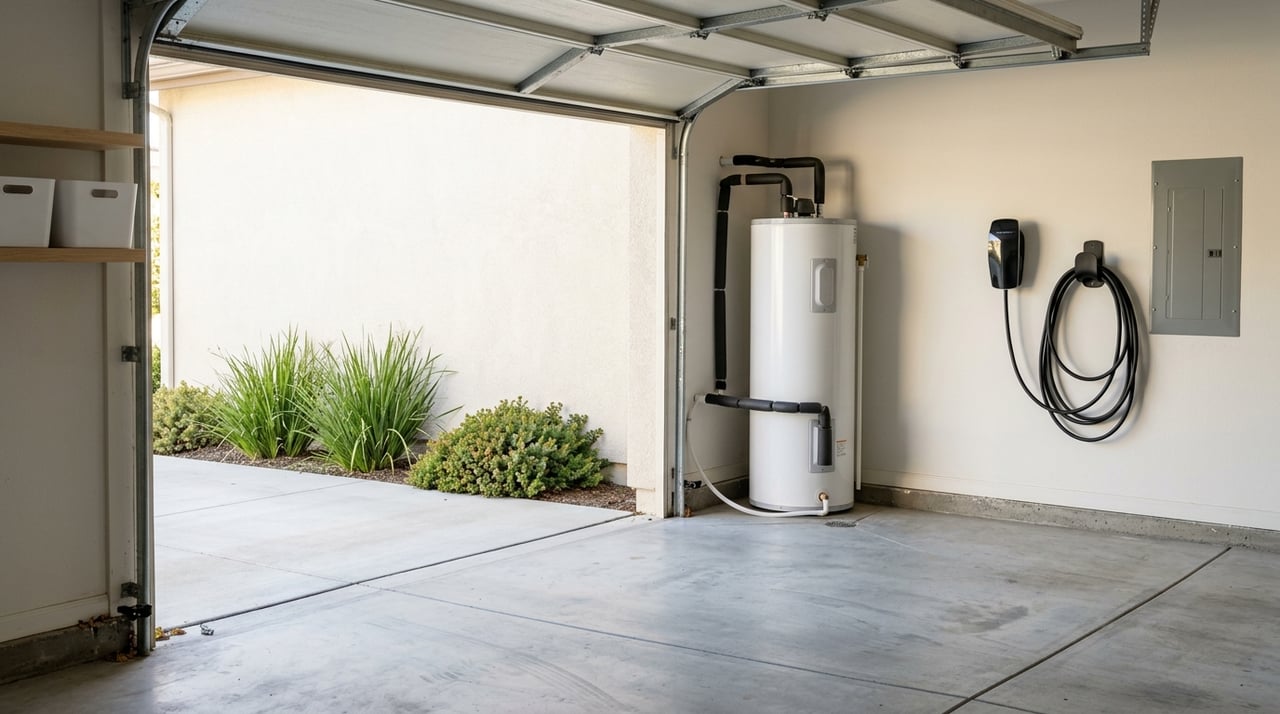
Curious what actually makes a home “green” in Palo Alto? In this market, green features are not just about reducing emissions. They often affect your comfort, monthly utility costs, and how ready a home is for electric living. If you are buying, selling, or simply comparing homes, understanding which features matter most can help you make a smarter decision. Let’s dive in.
Why green features matter in Palo Alto
Palo Alto has a unique local energy picture. The city operates its own municipal utilities, and its electricity has been 100% carbon neutral since 2013. That means green upgrades here are often less about cleaning up the grid and more about improving day-to-day living, lowering utility purchases, and adding resilience.
That local context matters when you evaluate a property. A solar system, upgraded insulation, or EV charging setup may offer value in a different way here than it would in another city. In Palo Alto, the best green features often support comfort, operating cost, and future readiness.
The city also has stricter local green-building requirements than the state in some cases. For certain new residential projects, Palo Alto requires features such as EV-ready infrastructure and may require all-electric or additional solar-related compliance depending on the project type. So when you tour a newer home, some features may be there because they were required, not because they were optional upgrades.
Solar in Palo Alto homes
Solar is one of the first green features buyers notice. Rooftop solar can help offset electricity a home would otherwise purchase from the utility. In Palo Alto, that often makes solar more of a long-term cost and planning feature than a simple emissions story.
There is also an important practical point many buyers miss. Palo Alto says a standard grid-tied solar system will shut off during a power outage unless the home also has battery storage or another backup setup. So if resilience matters to you, solar panels alone do not tell the full story.
When you are evaluating solar, ask for documentation. Palo Alto requires a PV permit and final interconnection approval for rooftop solar projects. Those records can help you confirm the system was properly installed and signed off.
What to ask about solar
- Was the system installed with permits?
- Has final interconnection approval been completed?
- Does the home also have battery storage?
- Is the system owned, or is there another arrangement in place?
Battery storage and backup power
Battery storage can be one of the most useful add-ons to a solar setup. It can help a home maintain some level of power during an outage, which a grid-tied solar-only system cannot do on its own. In a practical sense, battery storage is about resilience.
If backup power matters to you, ask what the battery supports. Some systems may back up only selected loads, while others may be designed differently. The key point is simple: solar and backup power are not the same thing.
EV charging and electrical capacity
As more households drive electric vehicles, home charging has become a major green feature. In Palo Alto, the charger itself is only part of the story. The larger issue is often whether the home has enough electrical capacity to support it.
The city notes that most Level 2 chargers need 30 to 50 amps. It also says a home with a 100-amp panel may need a 200-amp upgrade. That makes panel size and service capacity especially important when you are looking at an older home.
Palo Alto also requires permits for charger installation. If you are buying a home with an existing EV charger, it is reasonable to ask whether the installation was permitted. If you are planning to add one later, it helps to understand the panel and service situation before assuming it will be simple.
EV charging features to check
- Existing Level 2 charger
- Panel size, such as 100 amps or 200 amps
- Available capacity for future electrification
- Permit history for charger installation
- Garage or parking setup for charging access
For some homes, especially new construction, EV-ready infrastructure may already be in place because city requirements call for it. New single-family, two-family, and townhouse projects must provide one Level 2 EVSE or one EV-ready space per residence. New multifamily projects must provide EVSE-ready or installed infrastructure for each unit.
Insulation and air sealing often matter most
Some of the best green features are the least flashy. Insulation and air sealing can make a home feel more comfortable, reduce drafts, and help temperatures stay more even from room to room. They can also lower energy use.
ENERGY STAR says air sealing plus insulation can save homeowners an average of 15% on heating and cooling costs, or 11% on total energy costs. The U.S. Department of Energy says drafts and air leaks can waste 5% to 30% of annual energy use. Those are meaningful numbers, especially in a home that feels uneven or hard to heat and cool.
If a property feels drafty, has a hot second floor, or seems to run the HVAC constantly, the issue may be the home envelope rather than the finishes you can see. In many cases, improving the envelope delivers more practical value than a cosmetic “green” talking point.
Signs to look for in the home envelope
- Drafts near windows or doors
- Uneven temperatures between floors or rooms
- Excess dust or outdoor noise indoors
- High utility bills compared with the home’s size
- Frequent heating or cooling use to stay comfortable
Palo Alto also offers support here. The city provides free energy-advisor consultations, and qualifying households may be able to get free weatherization and insulation work through the REAP program.
All-electric living and heat pump upgrades
Palo Alto has been active in supporting electrification. For many homeowners, that means replacing older gas-based systems with electric alternatives over time. Common examples include heat pump HVAC systems, heat pump water heaters, and induction ranges.
The city’s pricing guide offers helpful benchmark ranges for these projects. As of February 2026, it lists installed-cost benchmarks such as $3,350 for a heat pump water heater, $9,800 for a ducted heat-pump HVAC system, $1,950 for an induction range, and $3,850 to $8,450 for an electric panel replacement. The city also notes that rates can change annually.
These benchmarks are useful because they help you separate a simple future upgrade from a more involved project. A home that already has an updated panel, modern wiring, and efficient electric equipment may be better positioned for long-term ease and lower upgrade costs.
Healthier material choices
Green features are not only about energy. Some affect indoor air quality and everyday livability more than utility bills. This is where material choices come in.
Useful examples include low-VOC paints, low-formaldehyde manufactured wood products, and well-ventilated, moisture-controlled assemblies. EPA Indoor air guidance says these types of low-emission materials are used to reduce exposure to airborne pollutants and common asthma triggers.
These details may not stand out during a quick showing, but they can matter over time. If you are sensitive to odors, indoor air quality, or moisture issues, it is worth asking for product information rather than relying on broad labels like “eco-friendly” or “green.”
How to evaluate green features during a home search
When you are comparing homes, it helps to look beyond the sales language. Not every green feature has the same value, and not every feature was installed voluntarily.
Focus on these practical questions
- Is the feature required by Palo Alto code, or was it a discretionary upgrade?
- Were permits and final approvals completed?
- Does the home have enough electrical capacity for future upgrades?
- Does the solar system include battery storage?
- Does the home feel comfortable and efficient, or drafty and uneven?
- Are there product specs for low-VOC or low-formaldehyde materials?
This approach helps you judge how a feature may affect real life after closing. A sleek charger or a solar panel array can be appealing, but comfort, usable infrastructure, and verified installation often matter more.
Local rebates and support programs
Palo Alto gives residents several practical tools to compare and plan upgrades. The city offers free energy-advisor consultations that can review past usage, discuss comfort issues, and help you think through impacts related to solar or EV charging.
The city’s Rebate Hub currently lists rebates of $2,500 for heat pump HVAC, $3,500 for a heat pump water heater, and $500 for an induction cooktop or range. Higher amounts may be available for income-eligible residents. For qualifying households, REAP may also cover weatherization and some appliance upgrades at no cost.
Because programs and pricing can change, it is wise to confirm current details before making a decision. That is especially true for tax credits, since federal incentives mentioned in public guidance have changing end dates and rules.
What green value really looks like in Palo Alto
In Palo Alto, the smartest way to think about green home features is as a package. You are often looking at a mix of comfort, monthly operating cost, resilience, and future-proofing. Carbon reduction is still part of the conversation, but local electricity being carbon neutral changes the balance.
That is why the most valuable green feature is not always the most visible one. A home with better insulation, a capable electrical panel, permitted upgrades, and thoughtful electrification may serve you better than one with a single headline feature and little supporting infrastructure.
If you want help evaluating how green features fit into a specific Palo Alto home, Lyn Jason Cobb offers practical, locally informed guidance to help you weigh comfort, costs, and long-term value with confidence.
FAQs
What green home features matter most in Palo Alto?
- In Palo Alto, the most useful green features often improve comfort, lower utility purchases, support electrification, and add resilience, especially because the city’s electricity has been carbon neutral since 2013.
What should you ask about a Palo Alto solar system?
- Ask whether the system has permits and final interconnection approval, and whether it includes battery storage, since a standard grid-tied solar system will not keep the home powered during an outage.
Why does electrical panel size matter for a Palo Alto home?
- Panel size matters because most Level 2 EV chargers need 30 to 50 amps, and Palo Alto says some homes with 100-amp panels may need upgrades to support charging.
Are EV charging features required in new Palo Alto homes?
- Yes, Palo Alto’s residential green-building requirements call for EVSE or EV-ready infrastructure in certain new residential projects, so some charging-related features may be included because they are required.
How do insulation and air sealing help in a Palo Alto home?
- Insulation and air sealing can improve comfort, reduce drafts, and lower energy use, with ENERGY STAR saying these upgrades can save an average of 15% on heating and cooling costs.
What local programs can help Palo Alto homeowners with green upgrades?
- Palo Alto offers free energy-advisor consultations, local rebates for items like heat pump HVAC, heat pump water heaters, and induction ranges, plus REAP support for qualifying households.
